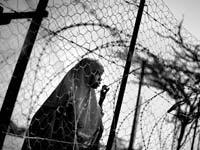
The United Nations and aid agencies say the Horn of Africa is facing a humanitarian catastrophe as a result of soaring global food prices combined with the worst drought in 60 years impacting on the region.
Two successive failed rains have left approximately 11 million people living in remote areas across Southern Ethiopia, Northern Kenya and Somalia facing famine because of food shortages.
Oxfam has described the unfolding crisis as ‘the world’s biggest forgotten emergency’, and has launched its largest ever appeal to try and stop famine in the region.
Food price rises are combining with severe drought and conflict to create the gravest threat of famine in years across large parts of East Africa and the Horn, according to aid agencies desperately short of funds.
Aid workers in East Africa are now once again in a race against time - just two years after the same area was hit by an almost equally catastrophic drought.
A shortfall in donations means the aid agencies don’t have the resources to deal with the slow-moving disaster, according the United Nations World Food Programme (WFP) and the Children’s Fund UNICEF.
‘Desperate hunger is looming across the Horn of Africa and threatening the lives of millions who are struggling to survive in the face of rising food prices and conflict,’ WFP executive director Josette Sheeran said in a statement.
‘It is essential that we move quickly to break the destructive cycle of drought and hunger that forces farmers to sell their means of production as part of their survival strategy.’
Emergency relief workers are looking to help the people living the areas impacted by drought now in order to prevent famine. The affected populations in Somalia and North Kenya are, for the most part, semi-nomadic pastoralists, herding camels, goats and sheep.
The lack of pasture and water has led to deaths of cattle on a large scale, leaving families unable to cope with the loss of food and livelihood, according to Oxfam. The situation has been made even worse by the fact the area was only just recovering from a similar drought two years ago.
‘In some areas, 60 per cent of the herds have died,’ warns Jane Cocking from Oxfam.
UNICEF estimates that 480,000 children in the Horn of Africa suffer from severe malnutrition - an increase of 50 per cent on the figure from the previous drought in January 2009.
The situation is at its most perilous in Somalia, where the two-decade-long conflict has left the country divided, with much of the population forced to live in refugee camps.
Nowhere is it more clear that people are struggling to survive than in Daadaab, the world’s largest refugee camp, where around 800 children from Somalia are arriving each day.
Most arrive in poor health and suffering from malnutrition, having walked barefoot for days without food or shelter to reach the Kenyan border, according to Save the Children.
Some of the children are beyond help when they make it to Daadaab while many others die en route. The camp is struggling to deal with the influx and is extremely congested and overcrowded with over 350,000 people now needing access to Daadaab’s basic facilities.
The desperate situation and cramped conditions have not only led to increased tension within the camp but also between refugees and the population in neighbouring villages who feel they are now competing with each other for scarce food supplies. The price for maize, which is the staple diet for most Kenyans, has increased by 40 per cent.
The situation in Makueni in Southern Kenya isn’t as desperate, but the maize crop has been severely affected by drought.
‘There has been no rain,’ explains villager Silvia Mutua. ‘We can only begin to hope for a harvest next year.’
The village well has run dry, meaning the women now have to walk for kilometres to the river in search of water. The situation has also led many children to give up going to school as an older child has to remain at home to look after everything.
Aid agencies estimate 10 million people are at risk of famine, not only the many refugees from Somalia, but also millions of farmers in Kenya and Ethiopia.
The current crisis was a ‘perfect storm,’ caused by the conflict in Somalia, rising prices for fuel and food, as well as the drought.
Add new comment